Christian Living · June 30, 2026
When God Looked Away: The Mystery of the Cross
Exploring Jesus' cry of abandonment and what it means for everyday faith when God feels distant.
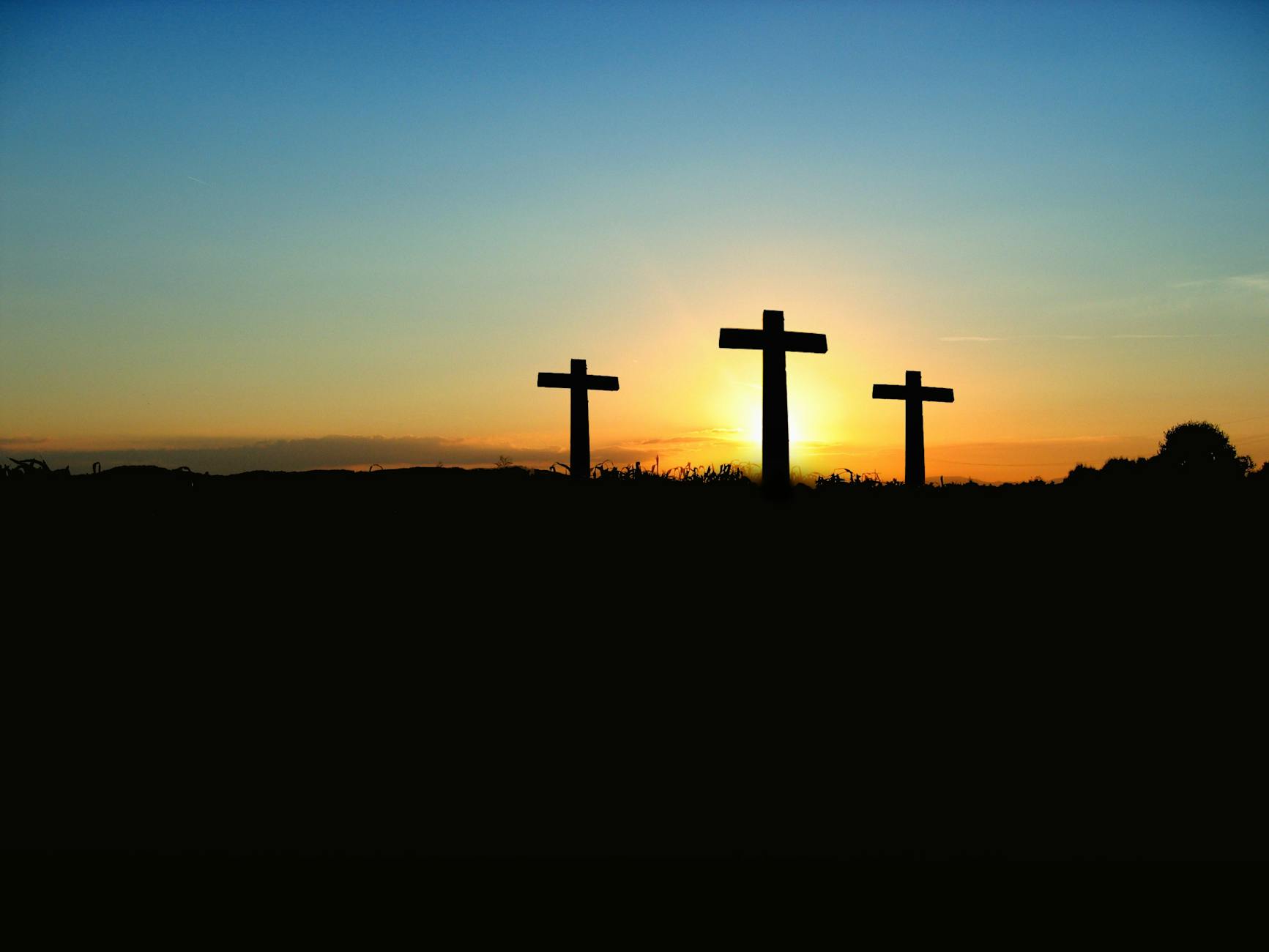
The scene on that hilltop has been painted a thousand times. We have seen the paintings, heard the sermons, and sung the songs. But somewhere in the retelling, something gets lost. The words come from a place of absolute forsakenness: My God, my God, why have you forsaken me? We call it the cry of dereliction, as if giving it a theological label somehow makes it easier to hold.
But stop for a moment and let the weight of those words settle. The Son of God, the one who had known unbroken fellowship with the Father since before time began, is suddenly calling out into a silence that feels permanent. No warmth. No presence. No answer. Just the crushing weight of sin, not his own, and a separation that his soul cannot comprehend. If you have ever felt abandoned by God, even for a moment, you know something of that darkness. And so the question rises, quiet and raw: did the Father really forsake the Son?
The Difference Between Feeling Forsaken and Being Forsaken
Here is the truth that changes everything: there is a vast difference between the experience of abandonment and the reality of it. Jesus felt the distance. His humanity recoiled from it. But the Father never turned his back on justice or let go of his covenant promises. What happened on that cross was something far more mysterious than rejection. It was the transfer of our separation into his experience, so that we would never have to carry that weight alone. The feeling was real. The forsaking was not what we assume it to be.
Three Things the Cross Teaches Us About Abandonment and Presence
When we sit with this mystery rather than rushing past it, something shifts in our everyday faith. The cross becomes not just a rescue plan but a window into the heart of God when we feel most alone.
Abandonment Was the Burden, Not the Meaning
We often assume that Jesus on the cross was showing us what God looks like when he abandons his people. But that reading inverts the meaning. What Jesus took onto himself was not divine rejection but human separation, the accumulated weight of every broken relationship, every hollow prayer, every silence that felt eternal. He who had never been alone became alone so that we who had always been alone could finally belong. This reframes suffering entirely. When you ache for God's presence, you are not experiencing what Jesus experienced. You are experiencing what Jesus died to rescue you from. The cross does not explain why God leaves. It proves that he never truly left us at all.
The Father Was Still There, Even in the Silence
The church father Athanasius put it this way: the Son remained with the Father even while suffering on the cross. The Father did not pack up and depart. Instead, what changed was the mode of their communion, hidden now behind the horror of sin-bearing. This is deeply comforting for anyone whose Christian lifestyle includes seasons of spiritual dryness. When you cry out and hear nothing back, you are not calling into a void. You are calling into the same silence that the Son once occupied, and that silence was never empty. It was the presence of God holding his breath, waiting to pour out resurrection.
Your Everyday Faith Lives in the Aftermath of This Moment
Family and relationships carry the fingerprints of this mystery. When someone we love pulls away, we feel forsaken. When a marriage grows cold or a child walks away from faith, the silence can feel like divine judgment. But the cross says something radical about abandonment: it has an expiration date. Three days, to be precise. The same Father who watched his Son cry out in darkness raised him into the light. If you are in a season where God feels impossibly far, your story does not end in the grave. It ends at an empty tomb. Everyday faith is not the absence of feeling forsaken. It is the stubborn decision to believe that resurrection is coming, even when the cross feels like it will last forever.
You will not find a tidy answer to whether the Father truly forsook the Son. That is because the cross was not tidy. It was the most chaotic, holy, violent, loving moment in history, and it resists easy categorization. What we can say is this: whatever Jesus experienced in those hours, you never have to experience it alone. He went there first. He knows the darkness. And he is not waiting for you to climb out of it on your own. He is standing right there in it with you, until the light comes again.
Want to study this more deeply with others? OpenBibleLab is our community for going further.