Family Entertainment Reviews · July 16, 2026
Should Christian Kids Watch Moana (2026)? Parents Guide
Disney's live-action remake of Moana brings the same beloved story and Pacific Islander spirit to a new generation. Here's what families should know before watching.
Light spoilers ahead: we cover the setup and a few themes, but no major twists or the ending.
Disney has done it again. The studio that gave us talking toys, dancing puppets, and a certain mouse in shorts has now returned to the Pacific Ocean for a second voyage with Moana, the chief's daughter who answered the call of the sea. The 2026 live-action remake arrives with Thomas Kail directing and Auli'i Cravalho returning to voice the lead, bringing a slightly different texture to a story audiences first embraced nearly a decade ago. Whether your family loved the original or this is your first trip to Motunui, you probably have questions about what to expect from the new version. The big news is that this remake largely preserves the spirit and content of its predecessor, which means the same memorable music, stunning visuals, and occasionally scary moments are all still present. Let us walk you through what is in the film and what it means for your family's viewing.
What Is Moana (2026) About?
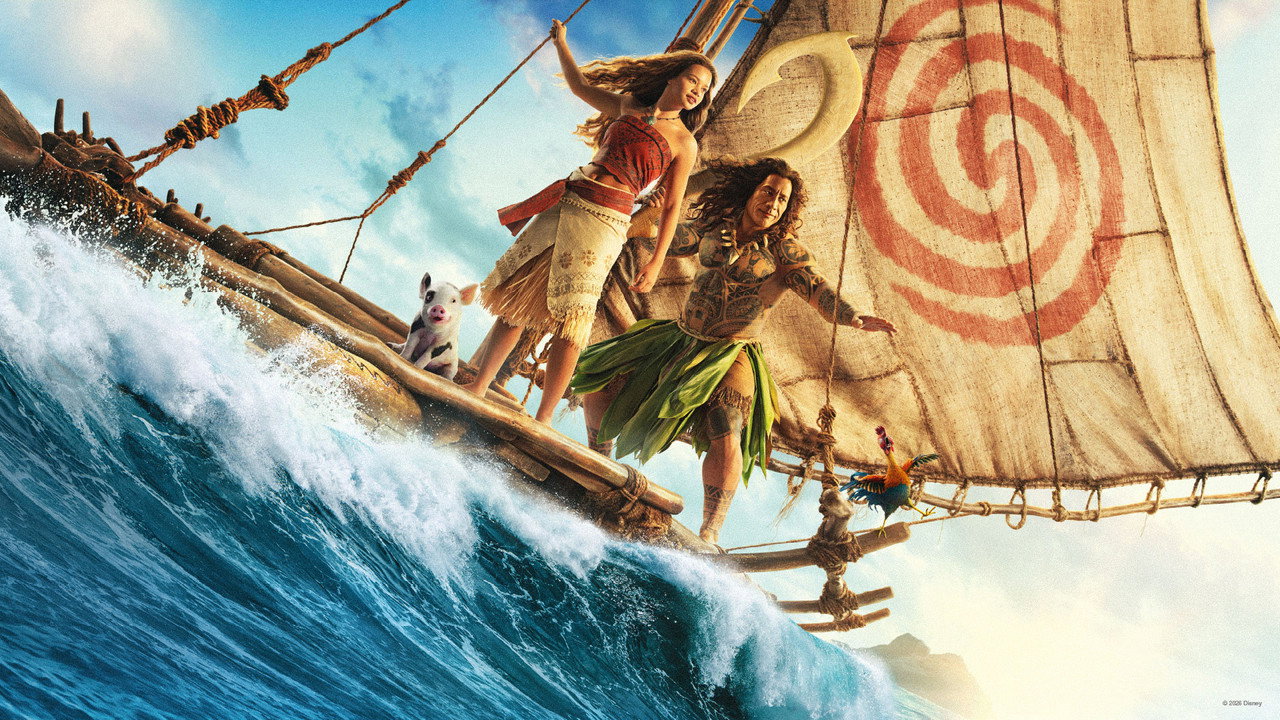
Moana is the teenage daughter of the chief on the island of Motunui. When a darkness begins consuming her homeland, she defies her father's wishes and sets sail across the ocean, accompanied by the legendary demigod Maui, voiced here by Dwayne Johnson. Her mission: restore the heart of Te Fiti, a goddess whose power can bring back the islands' vegetation and fish. The journey tests Moana's courage, tests her relationship with the ocean that chose her, and ultimately forces Maui to reckon with a mistake from his past that set everything in motion.
The 2026 version keeps the core story intact while bringing live-action spectacle to the coconut pirates, the glowing Tamatoa crab, and Moana's seafaring grandmother. The musical numbers, including "How Far I'll Go," remain, though the updated score brings some new arrangements to the voyage.
Is It Appropriate? Content & Family Guide
The 2026 Moana earns a PG rating and is generally considered appropriate for children ages 6 and up, though parents of sensitive younger viewers should know about several potentially frightening sequences.
- Violence and death
- Common Sense Media flags several dark moments that might give younger children pause. Moana and Maui face a fiery lava monster named Te Kā, encounter a giant, glow-in-the-dark coconut crab named Tamatoa, and battle through ocean storms that toss them violently about. A character dies offscreen and later returns as a spirit, which may unsettle some kids. There is also comic violence when Moana bonks Maui with an oar and a scene involving a man receiving a tattoo. Coconut pirates shoot arrows and poisoned darts at our heroes.
- Language and profanity
- We have not been able to verify a content guide specific to the 2026 release, so we are not describing its language in detail here. This section will be updated once a version-specific guide is available.
- Substance use
- No drinking, drugs, or smoking appear in the film.
- Sexual content
- Minimal. A young boy flirts with Moana by dancing and winking. Maui appears shirtless throughout the film, which is a character design choice tied to his demigod mythology rather than anything meant to be provocative. There are no romantic subplots.
- Crude humor
- Moana's sidekick chicken Hei Hei provides slapstick comedy and near-drowning moments. Maui occasionally relies on self-aggrandizing bravado for laughs.
A Hero's Call and the Courage to Answer
At its heart, Moana is a story about answering a call that terrifies you. Moana did not ask to be chosen by the ocean. She did not train for this quest. She simply heard something deeper than her fear, and she went. That tension between safety and purpose runs through every scene. Her father wants to protect her within the reef. The ocean wants her beyond it. The film never pretends the choice is easy. Moana cries. She doubts. She nearly turns back. That honesty is what makes her journey land so powerfully with audiences, young and old.
There is something quietly profound here about vocation. The Bible tells us we are all made for something, that each person has a calling that requires stepping into uncertainty. Moana's story captures that restlessness, the sense that there is more to life than what you can see from the shore. Her grandmother sees it in her before Moana does. The ocean sees it when Moana cannot. That recognition from outside ourselves, that someone believes in a calling we have not yet discovered, mirrors the way grace often works in our own lives.
Maui and the Weight of Broken Promises
Maui enters the story as a liability. He is loud, self-focused, and resentful of the gods who exiled him. His backstory, revealed through an elder's tale, explains why: he stole Te Fiti's heart not out of malice but out of a desperate desire to give humanity something, to earn their love. He succeeded and failed at the same time. His gift became a curse. His desire to help destroyed the very thing he meant to save.
This is one of the film's most emotionally complex moments. Maui is not a villain. He is someone who tried to do good and caused immense harm. That kind of guilt, the weight of a mistake that ripples outward into generations of suffering, is real. It is the kind of thing that keeps people awake at night. The film does not resolve this with a quick apology. Moana does not forgive Maui easily. He has to earn it by showing up, by choosing her mission over his comfort. That process feels earned, which is more than most family films attempt.
Faith, Nature, and the Sacred in Everyday Life
The spiritual landscape of Moana is rooted in Polynesian culture, which sees the divine woven into the natural world. The ocean is not just water. It is alive, relational, and in some sense, holy. Te Fiti is a goddess, not a metaphor. The heart of Te Fiti is a literal artifact with spiritual power. For Christian viewers, this raises interesting questions. The film does not present a monotheistic worldview. It honors the Polynesian understanding that creation carries sacred weight, that the world around us is more than matter in motion.
This is where Christian families may want to do some thinking. The film respects the spiritual tradition it portrays without syncretizing it with Christianity. It is a story from within that tradition, not about Christianity. Parents can use this as a starting point for conversations about how different cultures understand the divine, and how the Bible describes a God who also speaks through nature, who also calls people to ventures they did not plan.
What Stands Out in the 2026 Version
The live-action format brings new texture to the voyage. Ocean sequences, which were already visually impressive in the 2016 version, take on added physicality when actors are actually braving storm-tossed ships rather than animated characters. The story benefits from the warmth of real human performances. Whether a live-action Moana keeps the original's heart is the question fans will bring with them, and the voyage at least feels more tactile and immediate for the change.
The Scorecard
Our Faith & Family Scorecard
Family-friendliness
Content suitability
Entertainment
Craft and enjoyment
Faith & discussion value
Conversation it sparks
Best for: Families with children ages 6 and up who want an adventurous, musically rich film with positive messaging. Sensitive viewers under 6 may find some sequences too intense.
Moana (2026) delivers the same strong storytelling, cultural celebration, and themes of courage and calling that made the original beloved, with the intensity level staying largely consistent. Families can feel good about the positive messages and role models while being aware of the frightening monster sequences that warrant some caution for the youngest viewers.
Content notes reflect the theatrical version and our team's assessment, not a substitute for your own discretion. The CF Entertainment Team is part of Cornerstone Faith.
Sources: Common Sense Media, TMDb
Want to study this more deeply with others? OpenBibleLab is our community for going further.