News & Politics
Attack in Nigeria Leaves 30 Christians Dead as Study Examines Militia Violence
News Commentary · Analysis by CF News & Politics Team
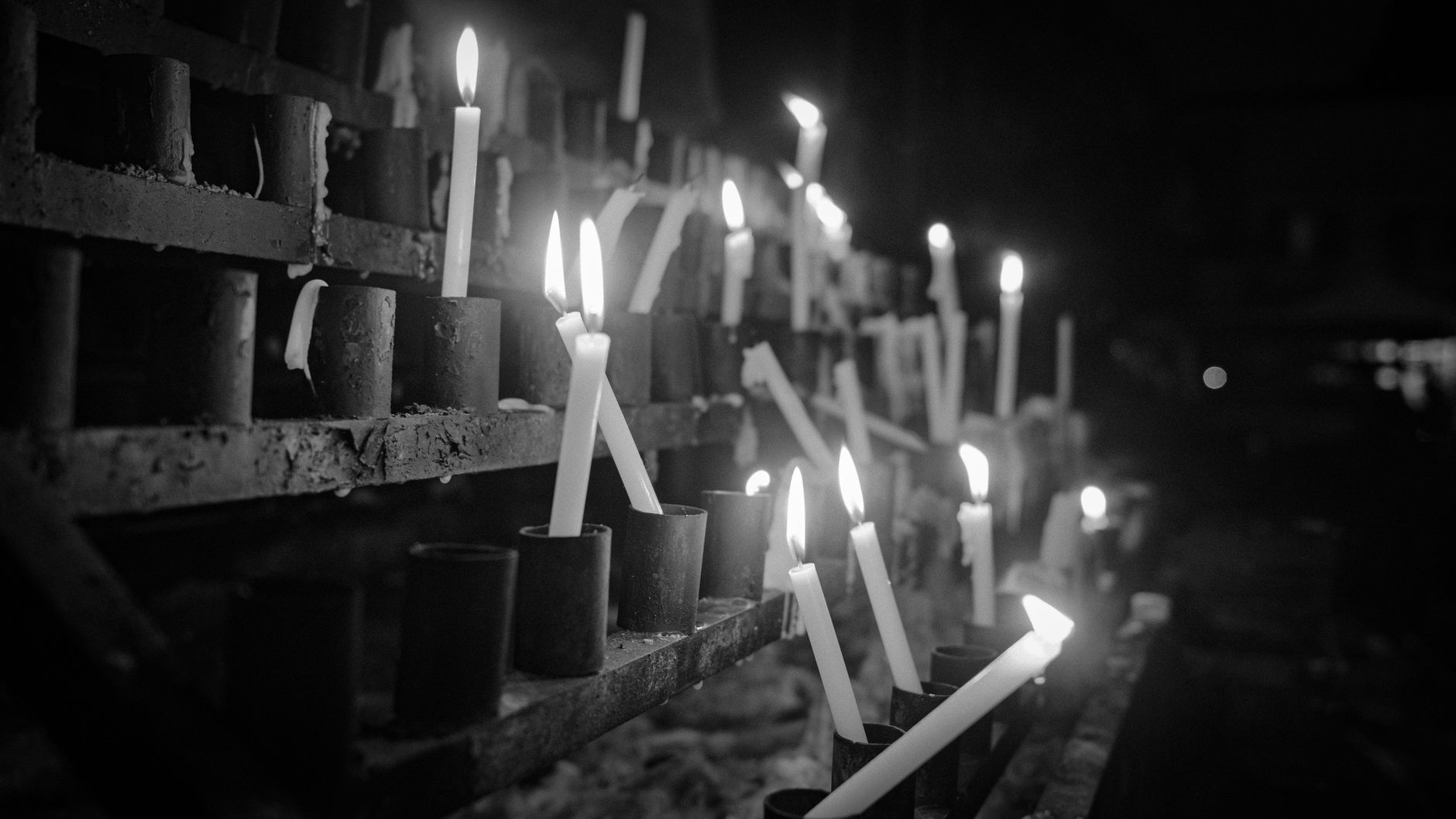
Just before midnight on 26 July 2026, gunmen attacked the village of Naridon in Nigeria's Middle Belt, according to Open Doors UK & Ireland and other reporting. By the time the shooting stopped, 30 Christians had been killed, 11 of them children, with victims ranging in age from three to 87. The assault has drawn renewed attention to a recently published study examining violence by suspected Fulani militias against Christian communities. For believers trying to follow both global news and the call to love their neighbors, this story raises hard questions about religious persecution, security, and how the church responds when fellow worshipers are targeted.
What Is Happening With the Nigeria Church Attack?
According to Open Doors UK & Ireland, the attack occurred late on the night of 26 July 2026 in Naridon, a village in the Kauru area of Nigeria's Middle Belt region. Open Doors reports that 30 Christians were killed, including 11 children, with the youngest victim aged three and the eldest 87. As reported by Open Doors, the attackers were suspected militant members of the Fulani people group, a long-running source of tension across central Nigeria over land, ethnicity, and religion.
According to initial reporting by Michael Foust at a Christian news outlet, the assault left 30 Christians dead and underscored what the outlet described as severe and escalating violence disproportionately targeting believers in the region. As reported in that same piece, a recent study has highlighted the threat posed by Islamic Fulani militias, a finding that groups like Open Doors have echoed in their broader World Watch List work.
Open Doors said in a statement that the incident highlights the pattern of attacks on Christian villages in Nigeria's Middle Belt, and the organization urged readers to sign and share its Arise Africa petition. According to Open Doors, the group is seeking one million signatures to draw international attention to the violence. Nigerian security forces have not yet been publicly named as carrying out arrests in connection with the Naridon attack, according to reporting available at the time of writing, and the broader study on Fulani militia activity continues to be cited by advocacy groups as evidence of systematic persecution.
Civic & Faith Impact
We examine the direct effects on ministries, education, and public life to aid community discernment.
Families & Daily Life
Families in affected Middle Belt villages live under the constant fear of night raids, with children and elderly residents among the dead in Naridon. For Christian families across Nigeria, daily routines are shaped by reports of new attacks, displacement, and the loss of parents and breadwinners.
Churches & Ministries
Persecution monitors, including Open Doors UK & Ireland, place Nigeria among the most dangerous countries for Christians, and incidents like the Naridon attack fuel renewed calls for international advocacy. Churches and relief groups are pressed to provide trauma care, shelter, and resettlement for survivors, even as they themselves remain targets.
Schools & Workplaces
When villages are attacked, schools and farms close, deepening poverty in rural Christian communities. The economic fallout spreads to local markets and small businesses, and aid workers report that repeated displacement makes steady employment nearly impossible for affected families.
How Different Sides Are Framing This
Advocacy organizations and Christian outlets frame the Naridon assault as part of a broader campaign of religious violence, pointing to a new study on Fulani militia activity as evidence that believers in central Nigeria face targeted persecution. Open Doors UK & Ireland said in a statement that the attack fits a long-running pattern against Christian villages in the Middle Belt, and supporters of the Arise Africa campaign argue that international pressure, including a petition goal of one million signatures, is the most realistic path toward accountability and protection.
Other voices push back on a purely religious framing. Some Nigerian analysts and commentators describe the conflict as rooted in long-standing disputes over land, water, and grazing rights between farming communities and pastoralist Fulani groups, arguing that ethnic, economic, and political factors intersect with, but are not reducible to, religion. Critics of international advocacy groups say that highlighting only the Christian victims can obscure violence against Muslim communities in the same regions and may complicate efforts at impartial peacebuilding, even as they do not deny that Christians in the Middle Belt have suffered heavily.
How Might Christians Think Faithfully About This?
Faithful reflection here begins with grief. Thirty people, including small children and an elderly grandparent, were killed in their own village for reasons that remain under investigation, and the church's first response is lament. The Psalms give voice to anger and sorrow before God rather than burying them, and that posture matters when believers are tempted toward either numbness or vengeance.
At the same time, Christians are called to careful thinking. The Bible repeatedly warns against hasty judgment and calls God's people to seek justice without cruelty. Readers can hold two truths at once: that the victims in Naridon deserve to be named, mourned, and defended, and that the underlying causes of violence in central Nigeria are genuinely complex. Wise engagement means supporting persecuted brothers and sisters through prayer, advocacy, and relief giving, while also listening to analysts, Nigerian pastors, and Muslim neighbors who may see the same events differently.
What's at Stake and How to Respond
What is most at stake is the witness of the global church to the suffering of fellow believers, and the credibility of that witness depends on truthfulness as much as urgency. A useful first step is to read the original reporting from Open Doors and the underlying study, rather than relying solely on social media summaries, so that prayers and advocacy are grounded in verified facts. From there, readers might pray for the families of Naridon, for Nigerian churches serving traumatized communities, and for security forces pursuing accountability. Talking with a pastor or trusted Christian organization about how to support relief efforts, and listening patiently to Nigerian Christians describing their own context, are small but faithful ways to respond without rushing to simple answers.
Analysis and insights reflect the perspective of the CF News & Politics Team and are intended to aid personal civic discernment and prayer.
Sources: opendoorsuk.org, Original Discovery Source
Cornerstone Faith Publishing
Explore our books
Christ-first prayer guides, devotionals, and studies to help everyday believers grow closer to God.
Browse all books →Cornerstone Sounds
Upbeat praise & worship beats
High-energy Christian EDM and modern worship beats from HaloRise and Psalms-N-Flow, made for your day, your workouts, and celebration.
Listen →Want to study this more deeply with others? OpenBibleLab is our community for going further.