News & Politics · July 8, 2026
Chinese Pastor Released Following Trump’s Request for Release: What Christians Should Know
Pastor Ezra Jin of Beijing Zion Church returns to the US after diplomatic intervention. A story of answered prayer and unfinished work for religious freedom worldwide.
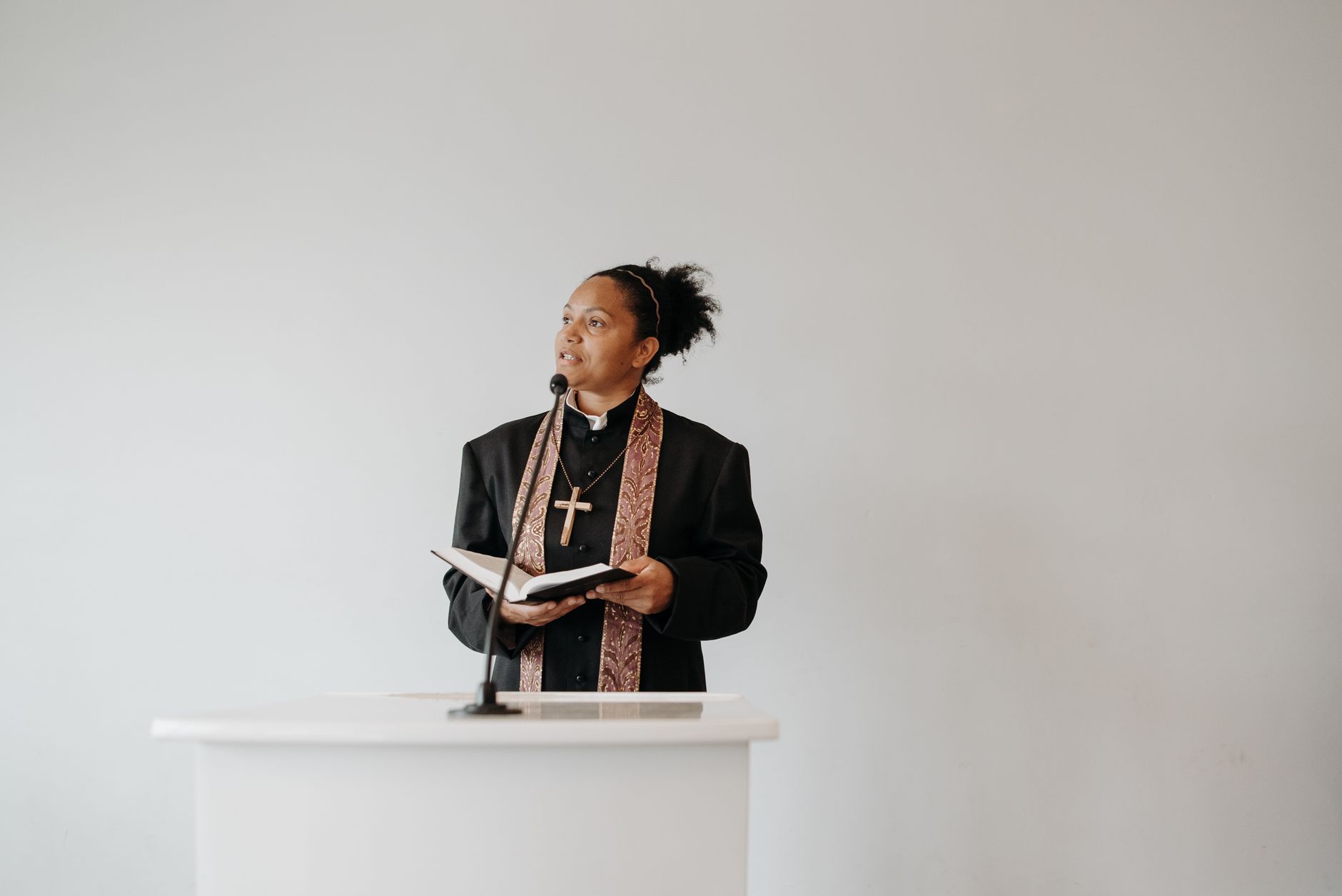
On July 4, 2026, Pastor Ezra Jin Mingri of Beijing Zion Church arrived in Los Angeles, free at last, according to ChinaAid. Crosswalk.com reported that Jin and 17 other Zion Church leaders were detained in October 2025 in what was considered China's largest single-church crackdown in decades. ChinaAid described his freedom as an answer to countless prayers offered by Christians around the world and called his arrival on Independence Day a remarkable miracle. ChinaAid reported that Chinese officials told Pastor Jin his release resulted from discussions between U.S. President Donald Trump and Chinese President Xi Jinping. Crosswalk.com noted that Jin has since been reunited with his family in the United States. ChinaAid called on the Trump administration to keep religious freedom a top priority in every engagement with Beijing, noting that 8 other pastors and coworkers from Zion Church, along with other prisoners of conscience, remain unjustly imprisoned.
What Is Happening With the Release of Chinese Pastor Ezra Jin?
According to ChinaAid, Pastor Ezra Jin Mingri led Beijing Zion Church as a house church pastor. Crosswalk.com reported that Jin founded Zion Church in 2007 and that the church had grown to more than 10,000 members using online platforms such as Zoom, YouTube, and WeChat after its physical premises were shut down. ChinaAid reported that Pastor Jin had spent months in detention because of his Christian faith and ministry.
According to ChinaAid, which tracks religious freedom violations worldwide, Pastor Jin was detained as part of a sweeping crackdown on his congregation. The organization describes it as the most significant single-church enforcement action in recent memory. While details of his legal situation remain limited in Western reporting, advocacy groups have long argued that charges against house church leaders frequently involve vague national security or subversion accusations that lack transparent due process.
The breakthrough came through what sources describe as extraordinary diplomatic channels. President Trump reportedly raised Pastor Jin's case in conversations with President Xi. Chinese officials then released him directly from detention and facilitated his travel to the United States. Pastor Jin arrived in Los Angeles on July 4, a date that carries obvious symbolic weight for American observers who see his freedom as a timely answer to prayer on a national holiday.
Civic & Faith Impact
We examine the direct effects on ministries, education, and public life to aid community discernment.
Families & Daily Life
For Pastor Jin's family, this release ends a period of prolonged uncertainty and grief. Detention in China often means limited or no contact with loved ones, no public trial proceedings, and no clear timeline for release. The sudden reunion in Los Angeles gives the Jin family a chance to rebuild what years of separation and fear had worn down. For other families with loved ones imprisoned for faith in China or abroad, the news offers a rare flicker of hope that diplomatic pressure can work.
Churches & Ministries
Within China's house church movement, Pastor Jin's case has been a rallying point. The Chinese government maintains a dual-track system where official Three-Self Patriotic Movement churches operate under state supervision while unregistered congregations face periodic crackdowns. Beijing Zion Church belonged to the latter category. The crackdown that ensnared Pastor Jin sent a chill through networks of house churches that resist government control. His release may temporarily ease some of that pressure, though advocates caution against assuming broader concessions from Beijing.
Schools & Workplaces
The diplomatic nature of this release raises questions about the role of American political leverage in matters of religious freedom abroad. Some argue that direct presidential engagement represents the only realistic path to freeing individuals held by powerful authoritarian states. Others worry that using prisoners as diplomatic bargaining chips treats human beings as instruments of foreign policy rather than as image-bearers with inherent dignity. How American Christians process that tension will shape how they think about the intersection of faith, foreign policy, and human rights going forward.
How Different Sides Are Framing This
Supporters of the diplomatic intervention say this release proves that high-level engagement works. They argue that authoritarian governments respond to pressure, and that American presidents who raise individual cases in private conversations can accomplish what public condemnation often cannot. ChinaAid, in welcoming Pastor Jin's release, framed it as a vindication of sustained advocacy and prayer. For these voices, the lesson is clear: keep speaking up, keep praying, and keep pressing governments on behalf of the imprisoned. They also note that Pastor Jin's return to the United States, rather than to a controlled environment in China, suggests an unusually favorable arrangement.
Critics approach the story with more caution. They note that diplomatic prisoner swaps and individual interventions can sometimes come at a cost, raising questions about what else was agreed to behind closed doors. Some worry that highlighting one high-profile release without addressing the broader environment of religious repression in China risks letting Beijing off the hook. Others ask whether a selective intervention that frees one pastor while dozens of others remain imprisoned truly reflects a commitment to religious freedom or merely a political calculation that happened to coincide with a sympathetic case.
How Might Christians Think Faithfully About This?
Christians have long understood the power of holding a name before God. The early church prayed specifically for Peter during his imprisonment, and the account in Acts ends with an angelic rescue that startled the guards. Many American believers are reading Pastor Jin's July 4 release through that same lens of providence and answered prayer. That reading is not wrong. But faithful discernment also asks harder questions. What does it mean that one pastor walked free while dozens of others remain in cells, some for years? Should Christians celebrate an answer to prayer while grieving that the underlying system that imprisoned Pastor Jin in the first place remains largely intact?
The Bible consistently pairs relief for the oppressed with a call to stand with those still suffering. Isaiah 61 declares good news for the brokenhearted and liberty for the captives, but that vision does not end with one person's release. It points toward a world being remade. Christians thinking faithfully about this story will likely hold two things at once: gratitude for Pastor Jin's reunion with his family, and honest grief that his experience is not unique. A commitment to religious freedom that only notices the cases that make headlines is not yet the full shape of neighbor-love.
What's at Stake and How to Respond
What is at stake here is not only one pastor's freedom, though that freedom is precious. It is the question of whether religious persecution will continue to be treated as a secondary concern in American foreign policy, or whether it will receive the sustained attention that the scale of the problem demands. Millions of believers in China worship in unregistered churches, face surveillance, lose jobs or custody of children, and live under constant threat of detention. Pastor Jin's story is a crack in that wall. It is also a reminder that the wall still stands.
Christians who want to respond faithfully might begin with a simple step: learn the names of other prisoners of faith around the world. Organizations that track religious persecution offer prayer guides and update lists. Write letters where possible. Speak carefully and truthfully about what is happening, without either minimizing the oppression or using it as a political prop. Pray not only for those already freed, but for those still waiting. And within your own community, build a culture that takes seriously the link between worship and justice, between loving God and loving the neighbor who suffers.
Analysis and insights reflect the perspective of the CF News & Politics Team and are intended to aid personal civic discernment and prayer.
Sources: chinaaid.org, ibelieve.com, christianity.com, Original Discovery Source
Want to study this more deeply with others? OpenBibleLab is our community for going further.