Christian Living · October 31, 2026
When Prayer Comes From Behind Prison Bars
A former Iranian prisoner calls Christians worldwide to pray for believers confined for their faith, where everyday love becomes costly and visible.
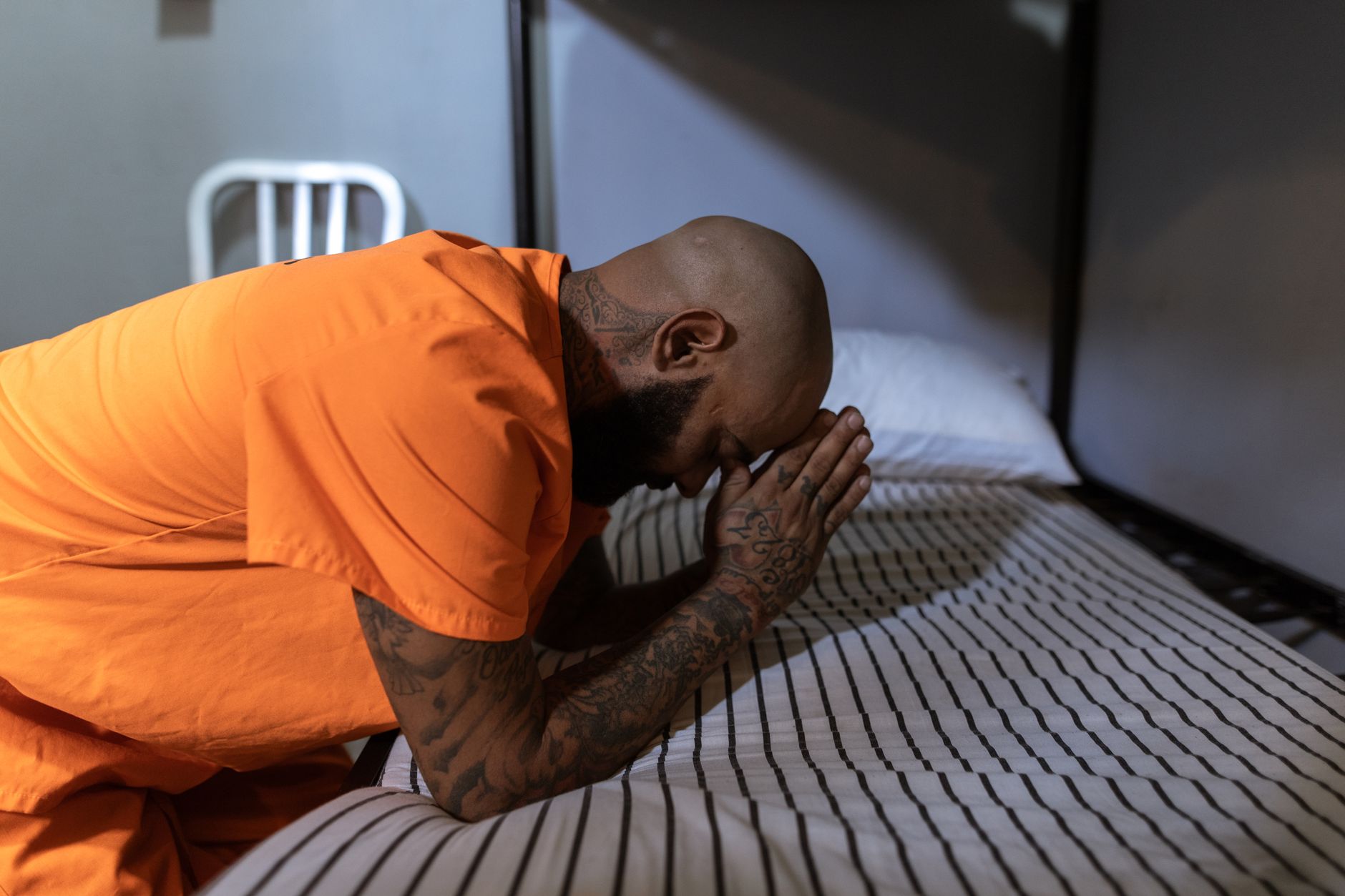
A former Iranian prisoner has described the fear, isolation, and endurance involved in confinement. His appeal asks Christians elsewhere to pray for believers imprisoned for their faith.
His request is simple, even as the suffering is not: pray for Christians in chains. For families separated by persecution, for believers whose private faith has become public evidence against them, and for those whose ordinary routines have been replaced by interrogation, imprisonment, and uncertainty, prayer becomes a way of standing near without pretending distance does not matter.
Prayer Beyond Safe Distance
Prayer for persecuted Christians is not a spiritual substitute for action, nor is it a way to make suffering tidy from afar. It is an acknowledgment that people in chains are still made for fellowship, dignity, and the transforming work of grace. A former Iranian prisoner understands this from the harshest side of the divide. His appeal asks believers to resist the illusion that comfortable lives are disconnected from the suffering of their brothers and sisters in Christ.
How to Stand With Christians in Chains
A prayerful response to persecution should be rooted in more than emotion. It requires humility about what we cannot know, courage in speaking truthfully, and a willingness to let faith reshape how we live among our own families and communities.
Carry the Names Before God
The request to pray for Christians in chains becomes more personal when we stop treating persecuted believers as a distant crisis and begin to remember them by name. A former prisoner's appeal carries weight precisely because it comes from someone who has known confinement. We do not need to imagine every detail of prison life to respond faithfully. We can ask God for mercy for the wrongly confined, strength for the frightened, comfort for the grieving, and courage for those who must answer before hostile authorities. This kind of prayer is not passive. It interrupts the numbness that allows us to scroll past images of suffering and move on. It also reorders our affection. The people of God become part of our daily concerns, people we carry into conversation, fasting, quiet, and even ordinary tasks. The goal is not to manufacture guilt. It is to love our neighbors as Christ has loved us, even when we cannot yet find a safe way to stand beside them.
Let Faith Reach Beyond the Screen
Persecution is often encountered through a screen, and that distance can make the suffering feel manageable. A short video, a name, or a report about a prison can become something we consume and quickly forget. Christian lifestyle is not separate from public events. It is the way faith enters our meals, our work, our friendships, and our responses to people we have never met. A believer who has never faced interrogation may still learn humility from a former prisoner who once did. We can learn that courage is not the absence of fear, that freedom is not something to treat casually, and that the Christian life can include suffering without becoming loveless or self-preserved. The question for everyday faith is not whether we can solve a prison system from our living rooms. It is whether our comfort will train us to share burdens, speak honestly, and remain faithful when speaking costs something.
Strengthen the Family Under Pressure
When Christians are imprisoned, their families often enter a kind of invisible confinement of their own. They may face fear, separation, economic pressure, suspicion, or the burden of deciding what can safely be said. Many believers around the world are called to support these families through patient relationship, practical help, and prayer that does not treat them as casualties of politics alone. Family and relationships matter here because persecution reaches deeply into ordinary life. A phone call, a meal, childcare, or a trusted person willing to listen can become meaningful acts of solidarity. At the same time, supporters should avoid turning a family's pain into a story they can control. Listening without interrogation, protecting confidentiality, and asking what help is actually wanted are ways of honoring the family's dignity. To pray for Christians in chains is also to pray for the relationships around them, for peace in homes where fear has entered, and for courage in relatives who must carry what no one else can carry for them.
You do not need a dramatic plan to begin praying for Christians in chains. Set aside a few quiet minutes, speak their names to God when you know them, and ask for courage, mercy, and faithful witness. Let that prayer soften your comfort and sharpen your love. Then remain present to the people near you, because solidarity begins long before it becomes visible, and grace often works through ordinary acts that seem too small to matter.