News & Politics · August 21, 2026
UK Driver Faces Loss of Car Insurance Over 'Jesus Loves You' Stickers
A UK driver says his insurer is threatening to cancel his policy over 'Jesus Loves You' stickers. Here is what is known, what is disputed, and why it matters for Christians.
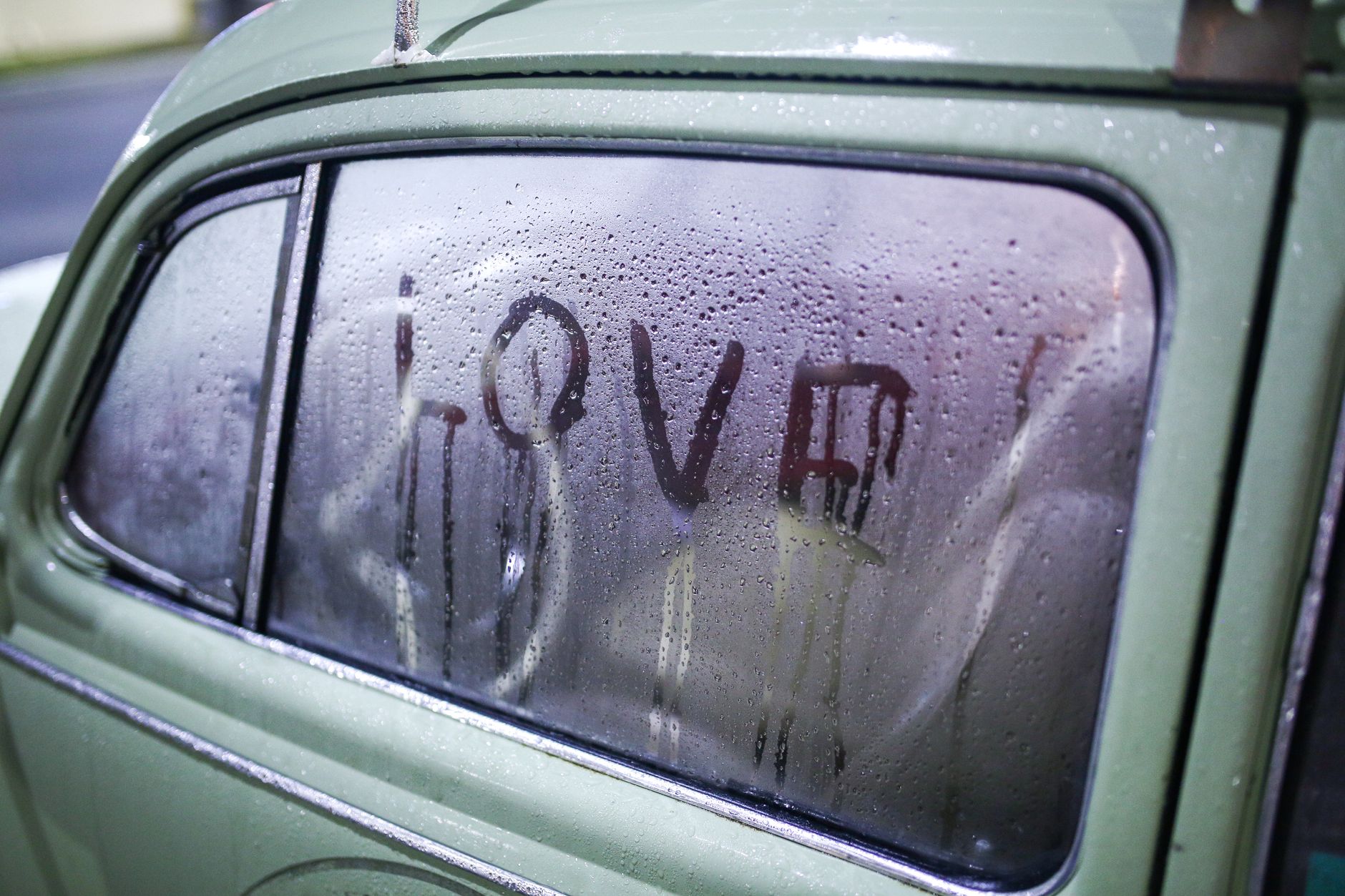
A 35 year old motorist in the United Kingdom says his car insurance is at risk over a simple message on his vehicle: "Jesus Loves You." According to Christian Concern, the man, identified as Simeon Chandra, had contacted his insurer in advance to ask whether the handmade stickers were allowed. He initially received a yes, then a reversal. The case is now raising questions about religious expression, consumer rights, and how far an insurance company can go in dictating what appears on a privately owned car. For Christians, it touches something basic: the desire to speak graciously about one's faith in ordinary, everyday places.
What Is Happening With the UK Driver and the 'Jesus Loves You' Stickers?
According to Christian Concern, Simeon Chandra, 35, a Christian motorist in the United Kingdom, was told by GoSkippy Insurance that his car insurance policy could not continue unless he removed handmade "Jesus Loves You" stickers from his vehicle. Christian Concern reports that GoSkippy said its underwriting department had "declined the modification done on the vehicle as per stickers added on the vehicle" and asked for a dated photograph once the stickers were taken off.
As reported by Christian Concern, Chandra had contacted the insurer in advance because he wanted to be transparent about the stickers. He said in correspondence that the stickers were not for business use but were intended "to spread a positive message that Jesus loves you." According to the account, he was initially told the stickers were permitted if photographs were sent to the insurer, but was later informed the policy could not continue unless the stickers were removed.
Said in a statement summarized by Christian Concern, Chandra's emails seeking further clarification have gone unanswered. As reported by Christian Concern, he is now considering legal action. The broader question of whether UK insurers can treat small, non-commercial stickers as a "modification" that justifies policy cancellation has not yet been tested in the coverage made available.
Civic & Faith Impact
We examine the direct effects on ministries, education, and public life to aid community discernment.
Families & Daily Life
For ordinary Christian families, the case touches the everyday question of how visible faith can be in public spaces. A small, positive message on a family car is a common form of personal witness, and the dispute raises whether insurers can treat such messages as a risk factor at all.
Churches & Ministries
If a private insurer can effectively bar a short religious phrase on a personal vehicle, some believers worry about a slow narrowing of acceptable public speech. Supporters of the driver's position argue this is a conscience and religious liberty matter, since the message is peaceful and non-commercial.
Schools & Workplaces
The story is not directly about schools or workplaces, but it sits inside a wider European conversation about religious expression in commercial and semi-public settings. How the case resolves could shape how Christian employees, contractors, and small business owners think about displaying faith based messages on their own property.
How Different Sides Are Framing This
Supporters of the driver, including Christian Concern, argue that a short, peaceful religious message on a private car is a form of conscience and free expression, not a vehicle modification in any meaningful sense. They point out that the stickers are not commercial, do not alter the car's mechanics, and were disclosed in advance. In their view, treating the message as grounds to cancel cover sets a worrying precedent for Christians and others who want to express faith gently in daily life. GoSkippy's stated reason, according to the reporting, is that the stickers count as an unapproved modification under its underwriting rules, a framing some readers will find reasonable on paper but harsh in practice for a non-commercial phrase.
Critics of the driver's position, where they have appeared in coverage, tend to emphasize that insurance is a private contract and that underwriters have wide discretion to set their own risk criteria. From that angle, the company is within its rights to treat any change to a vehicle, including added signage, as something it must evaluate. Sincere Christians can disagree here in good conscience: some will see this as a normal contractual dispute with no real religious liberty issue, while others will read it as the kind of small friction that, added up, makes public faith more costly to live out.
How Might Christians Think Faithfully About This?
Several threads are worth holding at once. First, there is a real prudential question. Insurance contracts in the UK do give underwriters broad discretion, and a court might uphold that discretion even while finding the outcome unkind. Christians who want to put messages on their cars may need to read the small print carefully and ask insurers in writing before acting, which is exactly what this driver says he did. Wise stewardship of a household includes knowing the rules of the road, literally.
Second, there is a deeper question about public witness. The early church was known for ordinary, daily courage: speaking truthfully, serving neighbors, refusing to hide the hope they had. A short phrase on a car is a tiny thing compared to that, but the instinct behind it, wanting to bless strangers with a hopeful word, is the same instinct the Bible praises when it tells God's people to let their speech be seasoned with grace. The right response to a possible chilling effect is not outrage, but steady clarity that peaceful speech about one's faith deserves a fair hearing in a free society. Believers can also be careful not to turn every awkward interaction into a grand persecution narrative. Sometimes a company makes a bad call, and the faithful response is patient, honest, and, if needed, legal.
What's at Stake and How to Respond
What is most at stake is whether a peaceful, non-commercial religious message on a privately owned car can be treated as a contractual violation by default. Christians can respond in three grounded ways. Pray for the driver and for fair treatment under the law. Learn by following the case as it develops and reading the insurer's actual policy language. And relationally, listen well: some neighbors will see this as a small annoyance, others as a real warning sign, and both reactions deserve a calm, honest conversation rather than a quick online verdict.
Analysis and insights reflect the perspective of the CF News & Politics Team and are intended to aid personal civic discernment and prayer.
Sources: christianconcern.com, Original Discovery Source
Want to study this more deeply with others? OpenBibleLab is our community for going further.