News & Politics · August 10, 2026
Netanyahu Rejects Gaza Board of Peace Plan: A Christian Perspective (2026)
Israel's prime minister rejects a Gaza Board of Peace plan, saying troops will not withdraw unless Hamas is disarmed. What it means and why it matters.
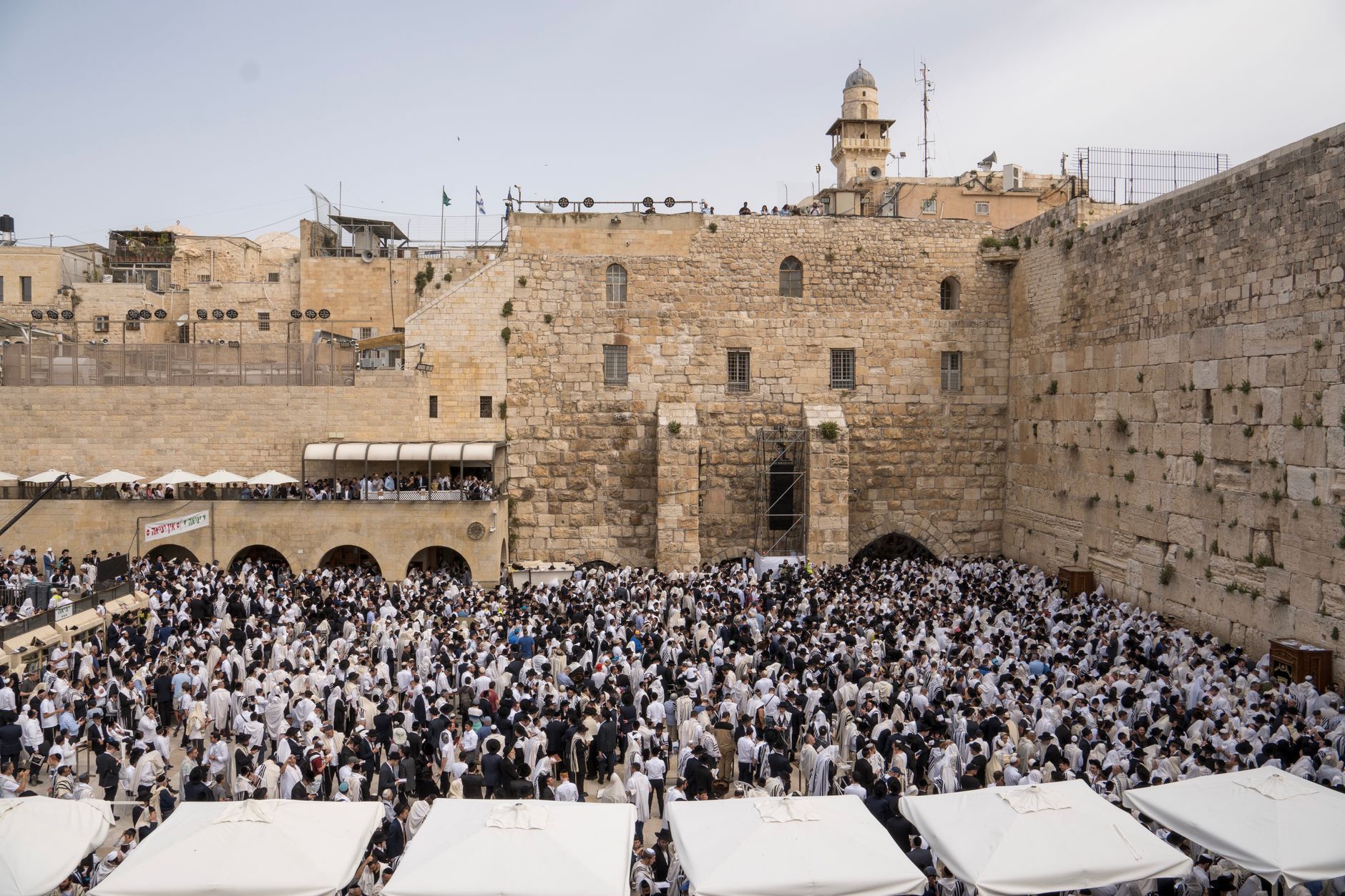
A new international proposal aimed at ending the war in Gaza has run into a hard wall in Jerusalem. Israeli Prime Minister Benjamin Netanyahu has publicly rejected a Gaza Board of Peace plan, declaring that Israeli forces will not withdraw from the territory unless Hamas is fully disarmed. The dispute is the latest collision point between a multilateral ceasefire framework and an Israeli government that insists on its own security conditions. For Christians watching from afar, the moment is a sobering reminder that peacemaking rarely moves in a straight line, and that headlines about the Middle East carry real human weight on every side.
What Is Happening With the Gaza Board of Peace Plan?
According to reporting by CBN News, Prime Minister Netanyahu has rejected a Gaza Board of Peace plan, stating that Israel will not withdraw from Gaza unless Hamas is disarmed. The plan, as described in the CBN News report, is part of an international effort to establish a transitional governing structure for the territory and to phase out Israeli military presence in stages tied to security guarantees. Netanyahu's public response, said in a statement and reported by CBN News, frames disarmament of Hamas as a non-negotiable precondition for any pullback of forces. Reporting from CBN News indicates that the Israeli government sees the board's framework as falling short of that core security requirement, even as it acknowledges broader humanitarian goals within the proposal. The disagreement now centers on sequencing: whether disarmament must come before withdrawal or whether a coordinated withdrawal and demilitarization process can proceed in parallel.
According to CBN News, the Board of Peace proposal had been positioned as a confidence-building step, pairing phased Israeli withdrawal with international monitoring and a transitional administration for civilian affairs in Gaza. Israeli officials, as reported by CBN News, have argued that previous pauses and partial withdrawals have allowed Hamas to regroup, making the demand for verified disarmament central to the current position. The plan's backers, said in a statement from the reporting, have stressed that the framework includes enforcement mechanisms and outside oversight, though the specific terms have not been publicly released in full detail.
Civic & Faith Impact
We examine the direct effects on ministries, education, and public life to aid community discernment.
Families & Daily Life
Short version: this dispute sits far from most believers' kitchens, but it shapes the conditions under which families in Gaza and Israel live or flee. Christians who pray for the region are reminded that policy choices made in capital cities translate into daily realities of shelter, schooling, and grief for ordinary people on both sides.
Churches & Ministries
For Christian communities in the Holy Land, prolonged conflict complicates ministry, pilgrimage, and relief work. Faith-based aid groups often partner with international frameworks to deliver humanitarian assistance, so changes to the legitimacy and structure of those frameworks can affect how, and to whom, churches and ministries can serve.
Schools & Workplaces
Diplomatic breakdowns tend to ripple into economic uncertainty, energy markets, and shipping through nearby corridors, which can affect workplaces with global exposure. For Christian schools and relief organizations that depend on stable supply chains and donor confidence, instability in the region adds strain to already stretched budgets and planning.
How Different Sides Are Framing This
Supporters of the Board of Peace plan argue that a phased withdrawal paired with international oversight offers the best realistic path to end the war, deliver humanitarian relief, and begin the slow work of rebuilding civilian life. They describe disarmament as a goal that is more likely to be achieved through a structured transition, with outside monitors, than through indefinite military occupation. In their view, holding withdrawal hostage to total disarmament risks perpetuating a conflict that has already cost enormous human life, and they warn that further delay deepens suffering among civilians in Gaza while keeping Israeli soldiers in harm's way.
Critics, including Netanyahu's government as reported by CBN News, counter that the central lesson of recent years is that pauses without verified disarmament simply allow Hamas to reconstitute its military capacity and threaten Israeli civilians again. They describe disarmament not as one item in a list but as the threshold condition for any withdrawal, and they argue that international boards and monitors have, in past frameworks, proven unable to enforce the terms they promise. Critics also express concern that a transitional civilian administration without robust demilitarization could become a cover for continued armed presence under a different label. Sincere Christians can be found on both sides of this debate, weighing competing goods: the protection of innocent life, the pursuit of lasting peace, and the responsible use of state power.
How Might Christians Think Faithfully About This?
Believers who take scripture seriously will notice that the same Bible that calls God's people to defend the vulnerable also calls them to mourn with those who suffer and to pursue peace wherever possible. A government that insists on disarmament before withdrawal can be acting out of a legitimate responsibility to protect its citizens from another attack. A government that refuses every transitional path can also be choosing ongoing war over the risks and costs of negotiation. Wisdom here means resisting the reflex to cheer one leader as righteous and the other as wicked, and instead asking whether the policy on the table is likely to reduce or increase the suffering of the most vulnerable, including children, hostages, and civilians with no voice in any of these decisions.
It is also worth naming the limits of what any foreign observer, including Christians in other countries, can see clearly from a distance. The people closest to this conflict have paid a price that most readers will never pay, and their judgments carry weight that headlines cannot capture. At the same time, the Bible is plain that God cares for the foreigner, the refugee, and the child caught in the crossfire, and that His people are responsible to pray and advocate for them, not just for their own nation. A faithful Christian response will hold two truths together: the right of a state to defend its people, and the command to love neighbors across every border, even when doing so is uncomfortable.
What's at Stake and How to Respond
What is most at stake in this moment is not a single diplomatic document but the kind of peace that can actually take root: a peace that protects the innocent, allows hostages and prisoners to come home, and gives children on every side a future that is more than rubble. Readers can respond by praying specifically for civilians in Gaza, for families in Israel who live under the shadow of attack, for hostage families waiting for word, and for the leaders who must choose between hard paths. A practical next step is to read a fuller summary from a mainstream outlet alongside at least one Christian perspective, to talk with a trusted pastor or small group about what scripture says about just war and peacemaking, and to listen, in person if possible, to someone whose life is shaped by this conflict rather than only debating it online.
Analysis and insights reflect the perspective of the CF News & Politics Team and are intended to aid personal civic discernment and prayer.
Sources: cbn.com, securegiving.cbn.com, secure.cbn.com, Original Discovery Source
Want to study this more deeply with others? OpenBibleLab is our community for going further.