News & Politics · August 14, 2026
US Officials Claim Naval Pressure on Iran Is Working; IDF Reports Hamas Rearming (2026)
US officials Hegseth, Vance, and Bessent say pressure on Iran is working, while IDF troops report Hamas is rearming. A grounded look at the claims.
Three senior US officials have publicly argued that economic and naval pressure on Iran is achieving its aims, according to reporting from a Christian outlet that has tracked the story closely. In the same news cycle, Israeli soldiers quoted in the same coverage describe a very different picture in Gaza, saying Hamas is rebuilding its military capacity even as a fragile ceasefire holds. The two storylines sit uneasily side by side: one official says the squeeze on Tehran is working, while the other reports a militant group regaining strength on the ground. For Christians who care about peace, justice, and the vulnerable on every side, this is a moment to slow down and ask what is actually known, what is claimed, and what remains deeply uncertain.
What Is Happening With US Iran Pressure and Hamas in Gaza?
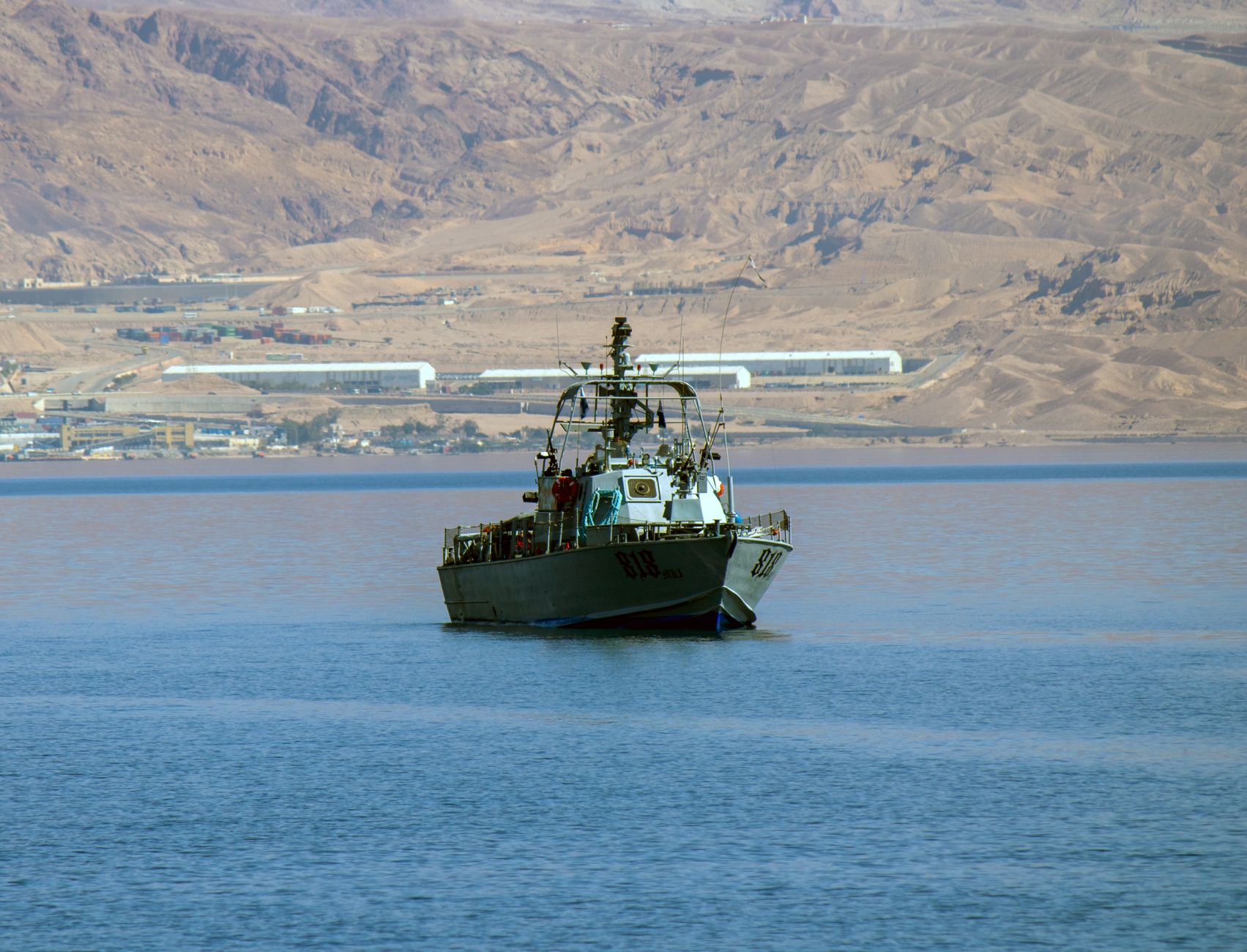
According to reporting from CBN News, Defense Secretary Hegseth, Vice President Vance, and Treasury Secretary Bessent have each publicly stated that US naval and economic pressure on Iran is producing results, and Bessent described the pressure campaign as a blockade in remarks covered by the outlet. The officials have framed the effort as a coordinated attempt to weaken Iranian-backed networks and to shape Tehran's regional behavior, and the reporting says the three have appeared together or in coordinated messaging to amplify that claim.
Reported by CBN News on August 14, 2026, the same outlet also published accounts from Israeli soldiers who described seeing Hamas fighters return to areas of Gaza that had been cleared during earlier fighting, and who said the group was reconstituting weapons and tunnel infrastructure in at least some neighborhoods. The reporting describes these as frontline observations from serving IDF troops rather than a formal Israeli military intelligence assessment, and CBN News notes that the soldiers' accounts have not been independently verified by outside observers.
As reported in the same coverage, the situation sits on top of a fragile ceasefire framework in Gaza, with mediators working to keep negotiations alive while hostages and humanitarian aid remain central concerns. The US pressure campaign on Iran and the Gaza ceasefire track are formally separate policy files but share overlapping regional actors, and the reporting says US officials have argued that weakening Iran indirectly reduces support for groups like Hamas, though the soldiers quoted in the same piece describe that link as unclear on the ground.
Civic & Faith Impact
We examine the direct effects on ministries, education, and public life to aid community discernment.
Families & Daily Life
For most American Christian families, the immediate effect is indirect: higher or more volatile fuel prices, global market jitters, and news cycles that can produce anxiety in children and elderly relatives who follow the headlines closely. Missionaries, journalists, and aid workers connected to the region may face renewed visa, travel, or security constraints.
Churches & Ministries
Congregations with members who have family ties in Iran, Israel, or Gaza may find themselves walking alongside people carrying fresh grief or fear. Churches that support humanitarian partners in the region will be weighing how a renewed pressure campaign, combined with reports of Hamas rearming, shapes their giving and advocacy. Pastors may want to prepare for difficult conversations about war, justice, and the value of every human life made in God's image.
Schools & Workplaces
Universities and think tanks focused on Middle East policy will see new demand for analysis, and energy, shipping, and defense industries may experience market swings tied to the blockade's enforcement. Christian schools and workplaces that host international students or staff from the region should be attentive to emotional and security needs during periods of heightened tension.
How Different Sides Are Framing This
Supporters of the US pressure campaign argue that economic and naval pressure on Iran is the most realistic non-war tool available to constrain Tehran's nuclear and proxy networks, and they point to official statements from Hegseth, Vance, and Bessent as evidence that the policy is biting. They contend that weakening Iran's revenue and supply lines reduces the resources available to groups like Hamas and Hezbollah, and they frame the approach as a way to protect both US interests and regional allies without a larger ground conflict.
Critics, including some humanitarian organizations and a number of foreign policy analysts cited across mainstream and Christian outlets, warn that broad naval pressure campaigns often hit ordinary civilians hardest through fuel and food shortages, and that claims of success can outrun measurable evidence. The IDF soldiers quoted in the reporting add a second line of concern: that even if pressure on Iran is real, it has not prevented Hamas from rebuilding, which raises hard questions about the durability of any current ceasefire and the safety of hostages and civilians in Gaza.
How Might Christians Think Faithfully About This?
One honest starting point is to notice how easily fear, fatigue, and partisanship shape how we read headlines about Iran and Gaza. The Bible calls God's people to be careful stewards of truth, which means weighing claims from officials, soldiers, and reporters with discernment rather than absorbing any one of them uncritically. When senior officials say a blockade is working and frontline soldiers say the threat is rebuilding, the faithful response is not to pick the narrative that flatters our politics, but to hold both truths side by side and resist the urge to resolve the tension too quickly.
There is also a question of neighbor-love here that cuts across borders. Iranian civilians, Israeli civilians, and Palestinian civilians in Gaza are all made in the image of God, and a Christian reflex should be to ask how any given policy serves or fails the vulnerable on every side. That does not mean moral paralysis. It means resisting the temptation to dehumanize one group in order to feel safe about another, and praying for leaders, soldiers, hostages, and families caught in the middle, including our own.
What's at Stake and How to Respond
What is most at stake here is not only geopolitics but truth-telling, restraint, and the protection of civilians on all sides of a long and bitter conflict. Readers can respond by praying for the officials making these decisions, for the soldiers on the ground, for hostages and their families, and for Christians serving in the region through relief and media work. A practical next step is to read the original coverage carefully, listen to a believer from the region if you know one, and resist the pull of quick online outrage. In complex moments like this, steady faith and honest attention are themselves a form of witness.
Analysis and insights reflect the perspective of the CF News & Politics Team and are intended to aid personal civic discernment and prayer.
Sources: cbn.com, securegiving.cbn.com, secure.cbn.com, Original Discovery Source
Want to study this more deeply with others? OpenBibleLab is our community for going further.