News & Politics · August 7, 2026
War Rhetoric Builds Around Iran in 2026: What Christians Should Know
Tensions between Washington and Tehran are rising in 2026. Here is what is being reported and why it matters for Christian readers.
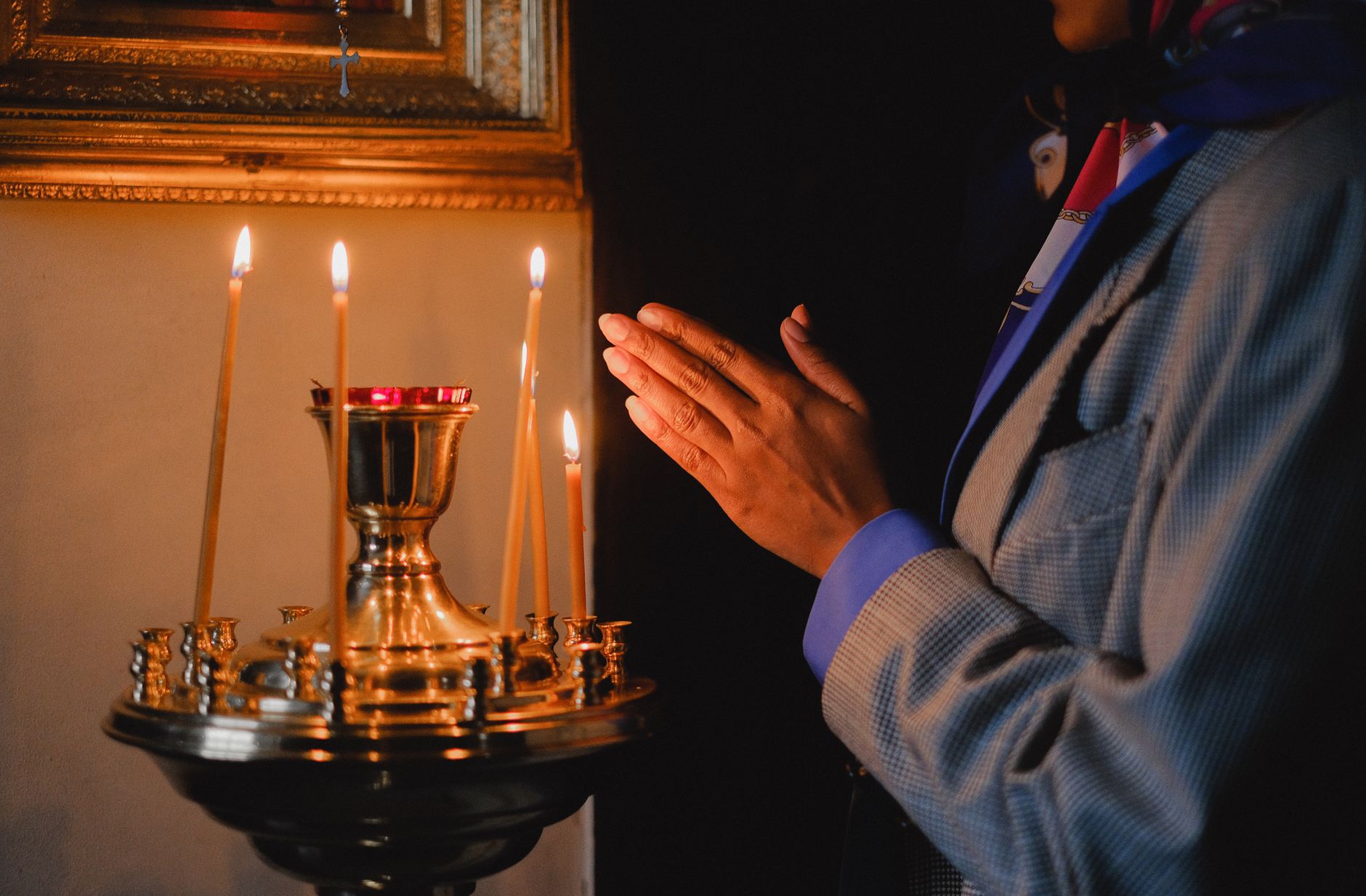
War talk is in the air again as the United States and Iran trade sharp words in the summer of 2026, while several Muslim-majority countries quietly adjust their alliances. The next move from Washington, according to reporting from CBN News, could shape everything from energy prices to the safety of Christian communities in the Middle East. For believers watching from a distance, the moment calls for steady attention, honest news-gathering, and prayer for leaders on every side of the dispute.
What Is Happening With the US and Iran in 2026?
According to reporting by CBN News, war rhetoric between the United States and Iran is building in early August 2026, even as President Donald Trump publicly holds out for a diplomatic solution rather than a military strike. CBN News also reports that the administration has signaled it wants Iran to curb its nuclear program and stop supporting armed proxy groups, while leaving the door open to talks. Readers should note that this account draws on a single news outlet and has not been independently confirmed by additional sources in this summary.
Reported by CBN News, several Islamic-majority nations are simultaneously reshaping their relationships with both Tehran and Washington. Some Gulf states, according to the same reporting, are deepening security ties with the United States, while others are pursuing closer economic and diplomatic links with Iran. As reported by CBN News, this realignment is taking place against the backdrop of a wider struggle for influence across the Middle East.
Said in a statement carried by the same outlet, regional analysts warn that any sudden escalation could affect shipping lanes, global oil markets, and vulnerable religious minorities, including Christian communities in Iran and across the region. According to CBN News, diplomatic back channels remain active, but public statements from both capitals have grown sharper in recent days.
Civic & Faith Impact
We examine the direct effects on ministries, education, and public life to aid community discernment.
Families & Daily Life
Short version: this is still a distant story for most American households, but a flare-up in the Gulf could quickly reach the gas pump and the grocery bill. Families may want to keep an eye on energy prices and travel advisories rather than panic about direct involvement.
Churches & Ministries
Any real conflict would affect mission work, humanitarian aid, and small Christian communities in Iran and neighboring countries. Churches that support Middle East partners should expect shifting communication challenges, visa restrictions, and possible disruptions to relief efforts. Praying for persecuted believers and relief workers is a concrete response.
Schools & Workplaces
Markets react quickly to war talk, so investors and workers tied to energy, defense, shipping, and technology sectors may see volatility. Schools and employers with students or staff from the region should also be aware of travel risk, family anxiety, and the need for pastoral sensitivity in the coming weeks.
How Different Sides Are Framing This
Supporters of a hard-line approach, including some administration officials and regional allies, argue that Iran cannot be trusted to negotiate in good faith and that only credible military pressure will stop its nuclear program and its support for proxy forces. They frame diplomacy without strength as delay, and they warn that a nuclear-armed Iran would put Israel, Gulf partners, and eventually Western cities at risk. According to this view, the current war rhetoric is a necessary bargaining tool, not a sign that war is inevitable.
Critics, including some foreign policy analysts and peace advocates, argue that public threats and military posturing make a genuine diplomatic solution harder to reach. They warn that escalation could draw in multiple countries, inflame sectarian tensions, and endanger already-vulnerable communities, including Christians and other minorities. Many in this camp say that the smarter path is quiet negotiations, sanctions enforcement, and regional dialogue rather than televised ultimatums. Faithful Christians can be found in both camps, often disagreeing about means while sharing a genuine desire for peace.
How Might Christians Think Faithfully About This?
Scripture repeatedly warns God’s people against trusting in weapons or rulers for their safety, while also recognizing that governments have a legitimate responsibility to protect their citizens. Christians watching this crisis can hold two convictions at once: that war is always a tragic breakdown of better options, and that leaders who ignore serious threats can also fail their calling. That tension is uncomfortable, and it should stay uncomfortable.
There is also a quieter question underneath the headlines: how do believers love neighbors they have never met, in places where the name of Jesus carries risk? Iranian Christians and other minority believers have lived under pressure for decades, and shifts in regional alliances can either ease or tighten that pressure. A faithful response begins with informed prayer, generous support for vetted relief and mission partners, and a refusal to treat any Middle Eastern nation as a stage for our politics rather than a home for image-bearing people made by God.
What's at Stake and How to Respond
What is most at stake is not only the question of one more conflict in a weary region, but whether ordinary Christians will respond with wisdom or with noise. A grounded first step is to read beyond the headlines, including the text of any official statements and reporting from outlets that do not simply amplify one side. A second step is relational: listen to neighbors, coworkers, or refugees from the region who can add human texture to the news cycle. And above all, pray for leaders in Washington, Tehran, and every capital in between, that pressure and fear would give way to clear thinking and a genuine love for peace.
Analysis and insights reflect the perspective of the CF News & Politics Team and are intended to aid personal civic discernment and prayer.
Sources: cbn.com, securegiving.cbn.com, secure.cbn.com, Original Discovery Source
Want to study this more deeply with others? OpenBibleLab is our community for going further.